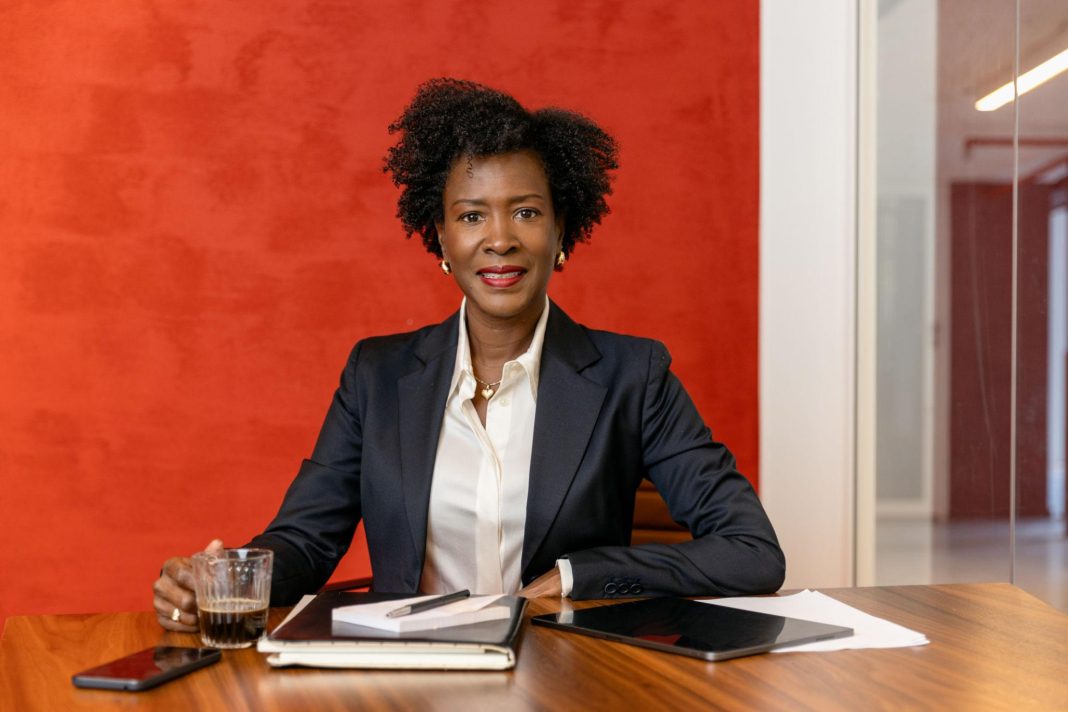


A look at how Black hair politics continues to shape workplace culture in 2026, including legal protections, corporate policy shifts, and ongoing debates around natural hairstyles.
Despite expanded awareness and legal protections, Black hair politics remains a defining issue in workplace culture in 2026. Conversations around natural hair discrimination — particularly involving afros, braids, and locs — continue to surface across corporate America. While the CROWN Act has passed in numerous states, enforcement and cultural acceptance still vary widely.
Employees have reported subtle forms of bias, including being labeled “unprofessional” or “distracting” based on hairstyle alone. Cultural advocates argue that these judgments are rooted in long-standing Eurocentric beauty standards embedded in corporate structures. Even as diversity initiatives grow, hair remains one of the most visible flashpoints in identity politics.
Companies are increasingly updating dress codes to reflect inclusive standards, and HR departments are offering cultural competency training to reduce implicit bias. However, critics say policy updates alone are not enough — organizational culture must shift alongside written rules. Social media has amplified personal stories, turning individual workplace incidents into national conversations.
As younger generations enter leadership pipelines, expectations around authenticity and identity expression are reshaping corporate norms. Experts suggest that inclusive hair policies are no longer optional — they are becoming a benchmark for companies seeking to attract and retain diverse talent in a competitive labor market.